Harvest when the crop is ready, not when your inoculant is.
EDGE™ is a dry granular silage inoculant for grass and maize. It is manufactured in New Zealand and has been used here for more than five seasons.
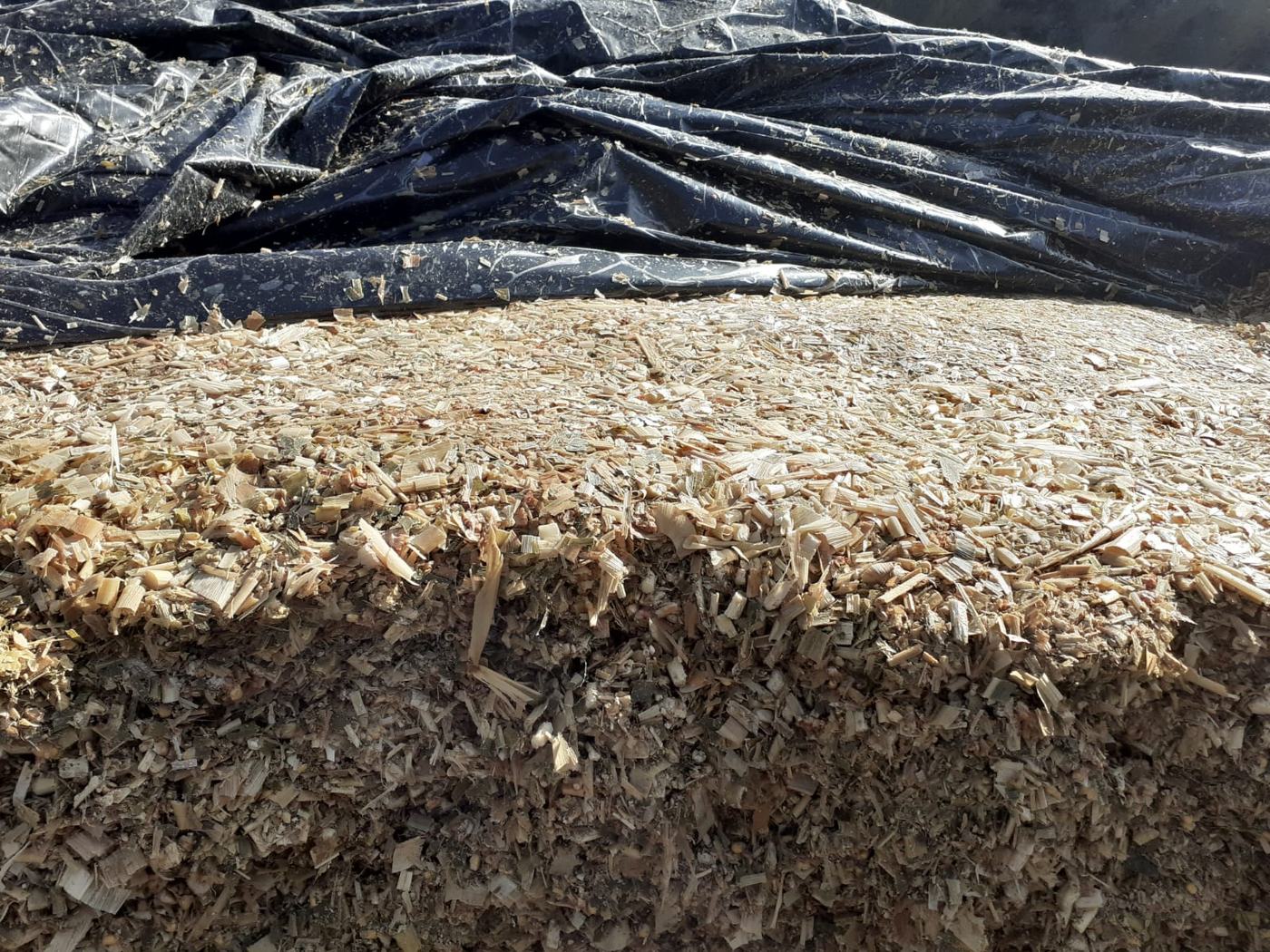
Get dry inoculant and put your grass up wet.
Seasons of commercial use in New Zealand, on grass and on maize.
Dry matter. We can preserve feed that wet.
Tonnes treated per bag.
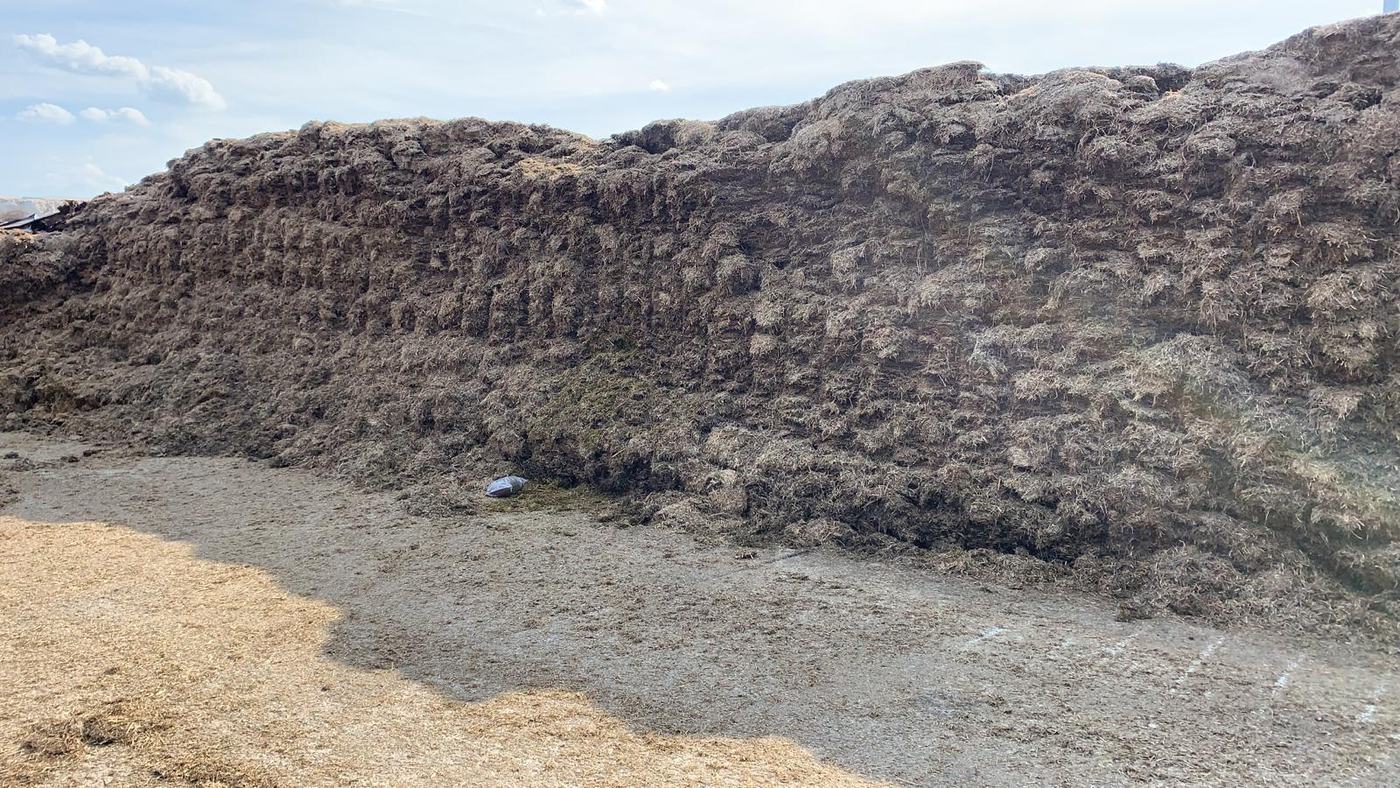
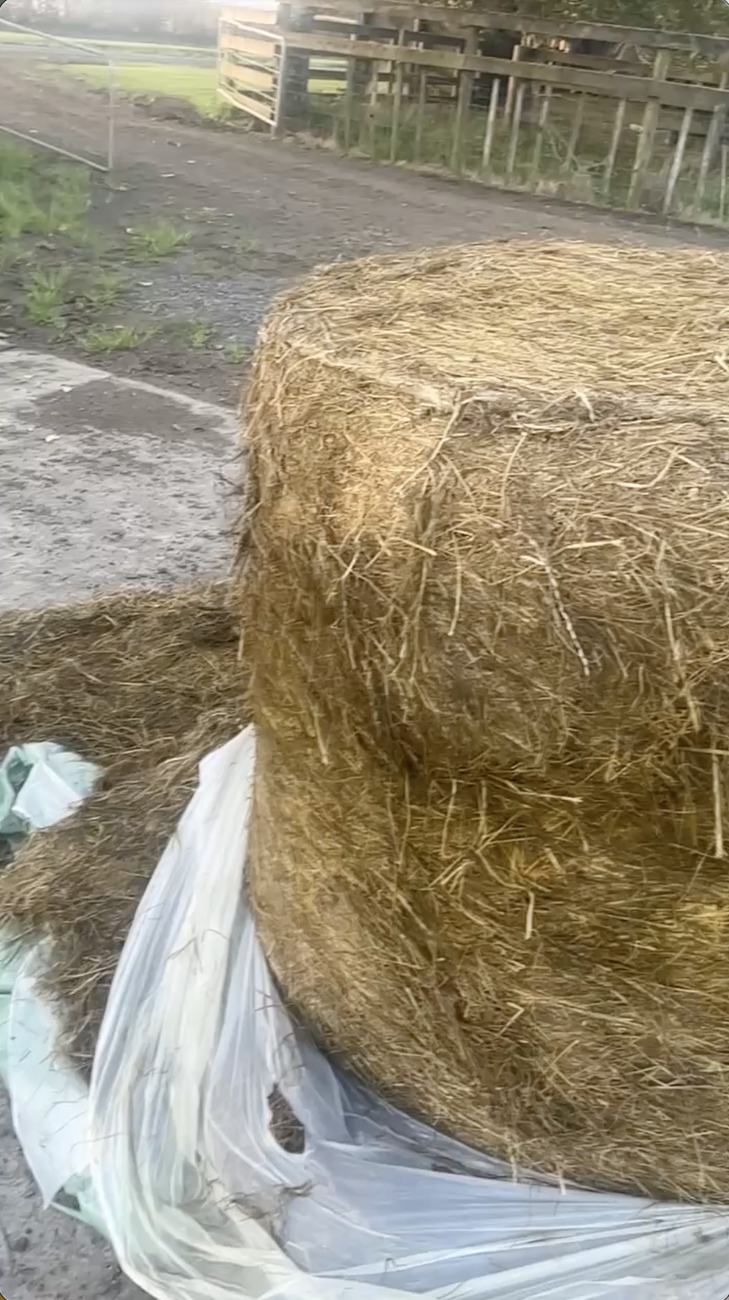
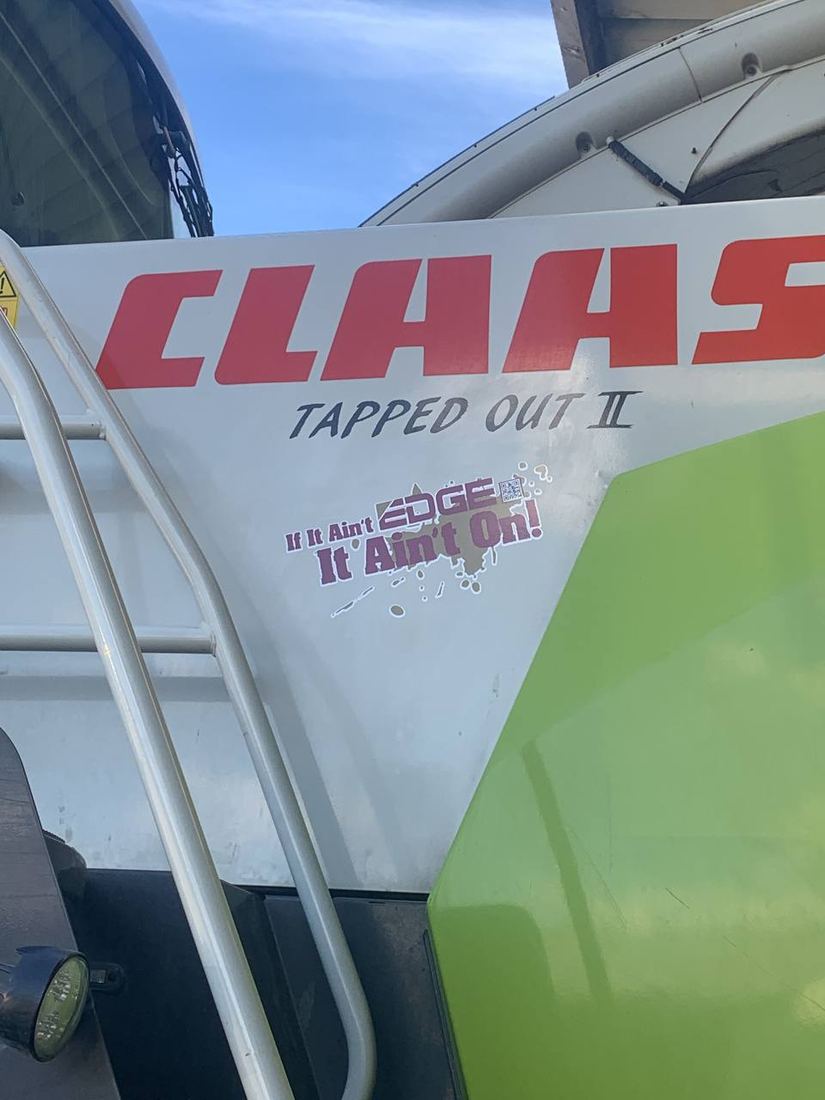
Tens of thousands of bales and tens of thousands of tonnes in the stack, on both grass and maize. You are not waiting on the weather to dry the plant down for you. That is the whole benefit, and it is flexibility rather than insurance.
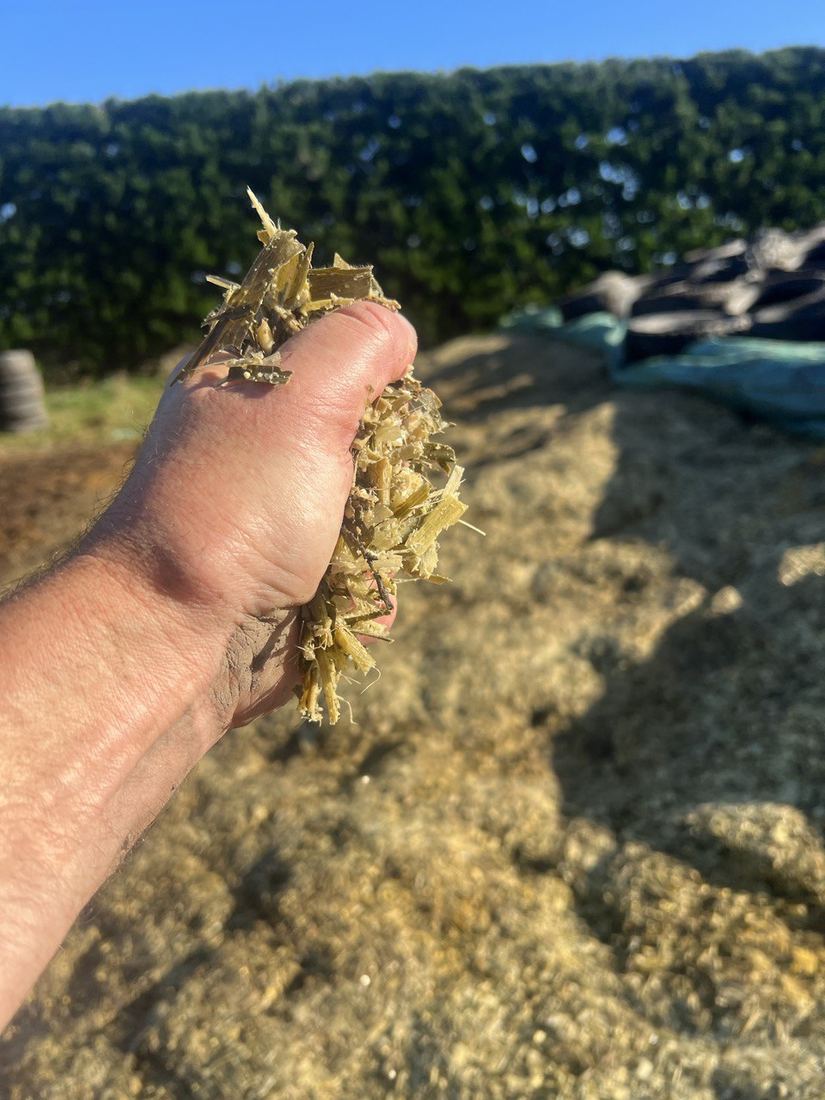
EDGE-treated forage looks different the moment you open it. It smells sweeter, there is virtually no mould in it, and it is stone cold.
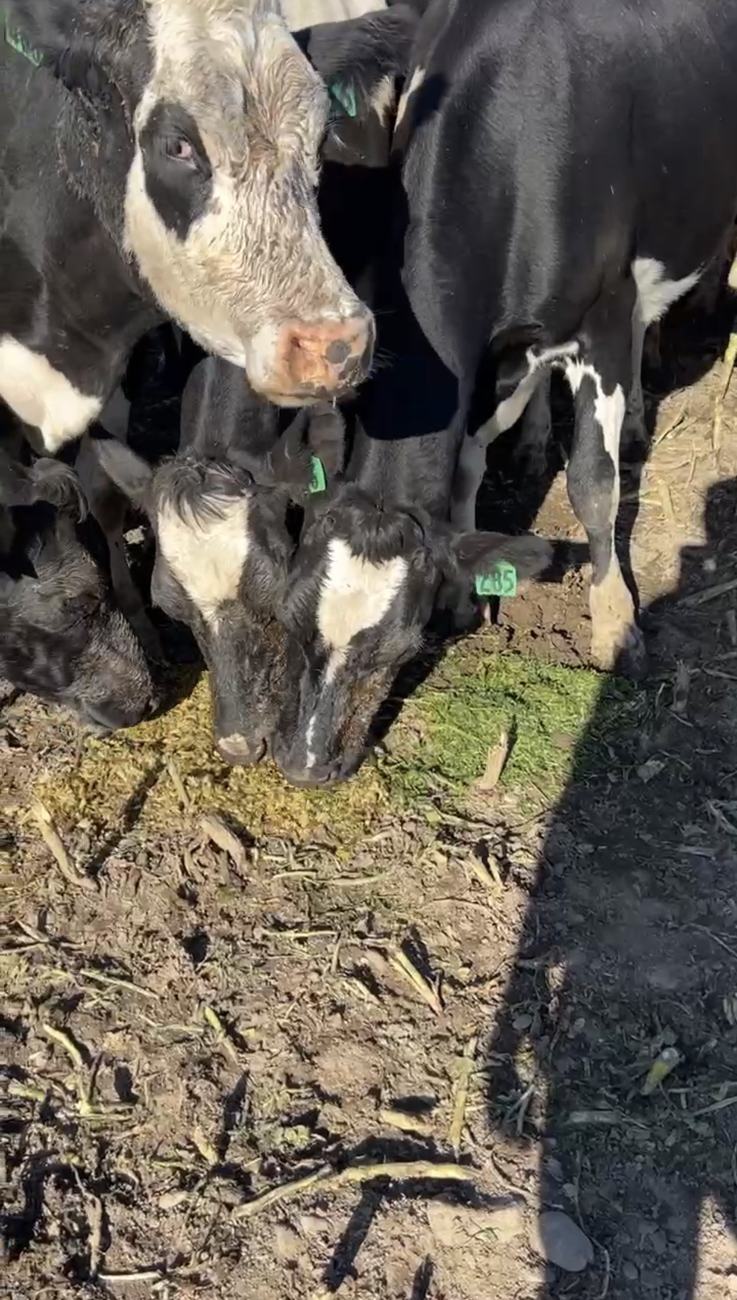
Once cows have had wetter feed you can see they prefer it, in the way they come to it and the way they behave around it. That is why we say cows are our best salespeople.
Cut when the crop is ready instead of waiting for the weather to dry the plant down for you.
EDGE steers the fermentation rather than hoping for it, and the lactic acid that comes out of it is energy the animal can use.
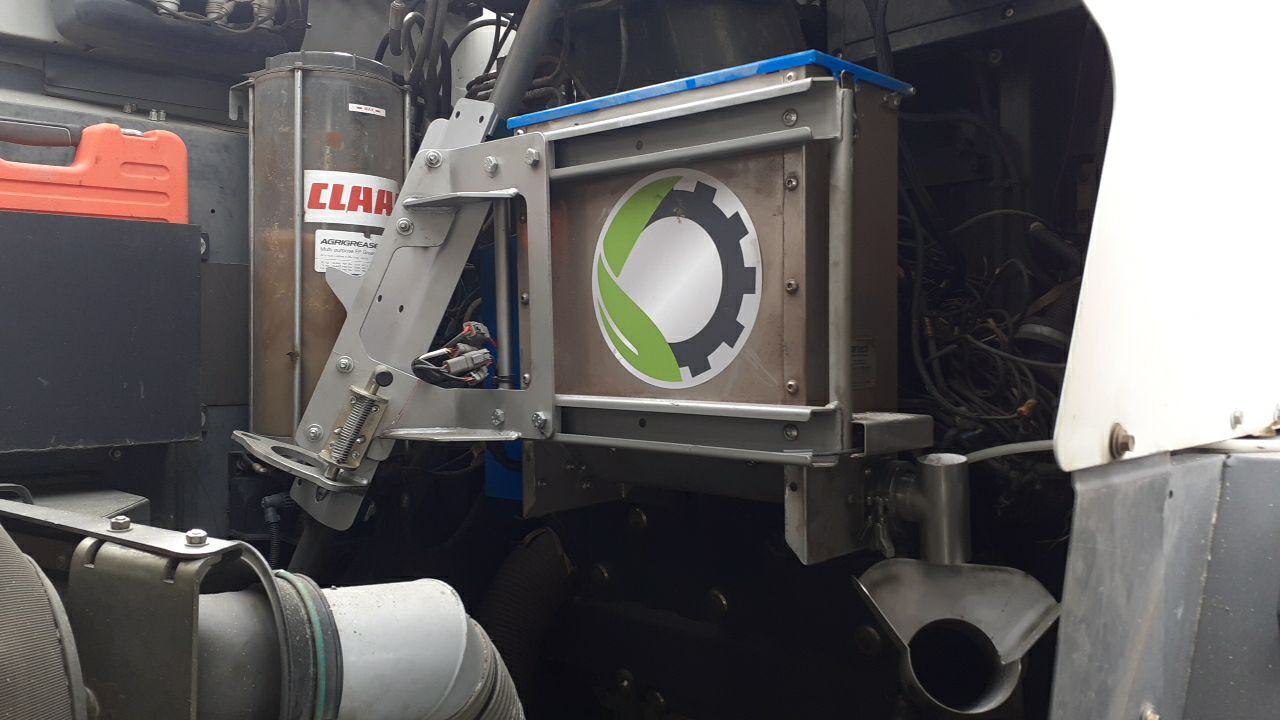
Easy to use patented applicators that fit virtually any forager or baler, round or square.
Grass or maize, wet season or dry, in the stack or in the bale.
A liquid carries two jobs in one tank. The mould and yeast inhibitor is there to clean the feed up, and the fermentation bacteria are there to get a ferment going.
A mould and yeast inhibitor kills living bacteria. The fermentation bacteria sitting in that same tank are living bacteria.
After a couple of hours sloshing about on a moving harvester the product is degrading before it ever reaches the crop.
That is a limitation of the format, and no liquid gets around it however good the components are.
EDGE includes an oxygen scavenger. The other approach to scavenging oxygen is to use bacteria that consume it.
That type of bacteria only functions across about half a point of pH.
So as the fermentation gets going and the pH falls, those bacteria drop out of their window and stop producing.
That is a good part of why operators see the difference they do with EDGE.
Preserving a crop is two jobs done in a particular order.
Suppress the mould and the yeast first, then get a clean fermentation going underneath it.
That moisture switches them on in the right order. It means you can take your silage when the plant is ready for it, rather than when your inoculant is.
It also contains enzymes that open the cell walls, and the bacteria go to work on what is released. That drives the pH down and keeps it down, resulting in a low pH fermentation, and a low pH fermentation is a stable one.
Wet feed is where clostridia thrive. Getting the pH down fast enough keeps them out, which is why wet feed and EDGE work together and why wet feed on its own so often does not.
Keep clostridia out and you never get that smell. That is why the sweet smell of an EDGE-treated stack is often the first thing people notice.
EDGE drives a clean lactic acid fermentation. One sugar molecule becomes two lactic acid molecules, and almost no carbon escapes making the change, which is why so little is lost in the stack. In the cow the reaction runs backwards and the acid becomes energy again. Lactic acid behaves like a conditioner in the rumen and makes everything downstream of it run better.
“I’m starting to see that EDGE inoculant changes everything.”
Ethan Parker · Ethan’s Ag Contracting · Waikato
More days, more flexibility and more choices about when you run. Everything in agriculture is about timing, and EDGE gives you the flexibility to get that timing right. Open the harvest window, go earlier, run later, get it in ahead of the weather. It gives you choices.
Patented applicators go on virtually any forager or baler. They are proudly fabricated by Deartech in Hawke’s Bay. Deartech also run the Hawke’s Bay Claas Harvest Centre, so the hardware is looked after by people who understand feed, understand equipment and understand your business.
We are placing applicators now, ahead of the season. If you are a farmer who wants your contractor running EDGE, or a contractor making bales, give us a ring and we will sort the gear out.